
How Sensory Processing Issues Affect Kids in School
Imagine receiving a call from your child’s teacher. She explains that your child has trouble sitting through lessons, often bumps into classmates, seems distracted during group activities, and struggles with transitions. She wonders whether sensory processing may be playing a role. Many parents find themselves in this exact moment of confusion and concern, unsure whether these behaviors reflect a learning issue, an attention difficulty, or something entirely different.
Sensory processing issues are more common than most people realize, yet they are often misunderstood. They can make school feel overwhelming, unpredictable, and exhausting for a child. When a child’s brain has difficulty organizing or responding to sensory information, everyday tasks like listening, writing, lining up, or walking into a noisy cafeteria can become significant challenges. This guide explains what sensory processing issues are, how they show up in school, and what families and teachers can do to support children in meaningful and practical ways.
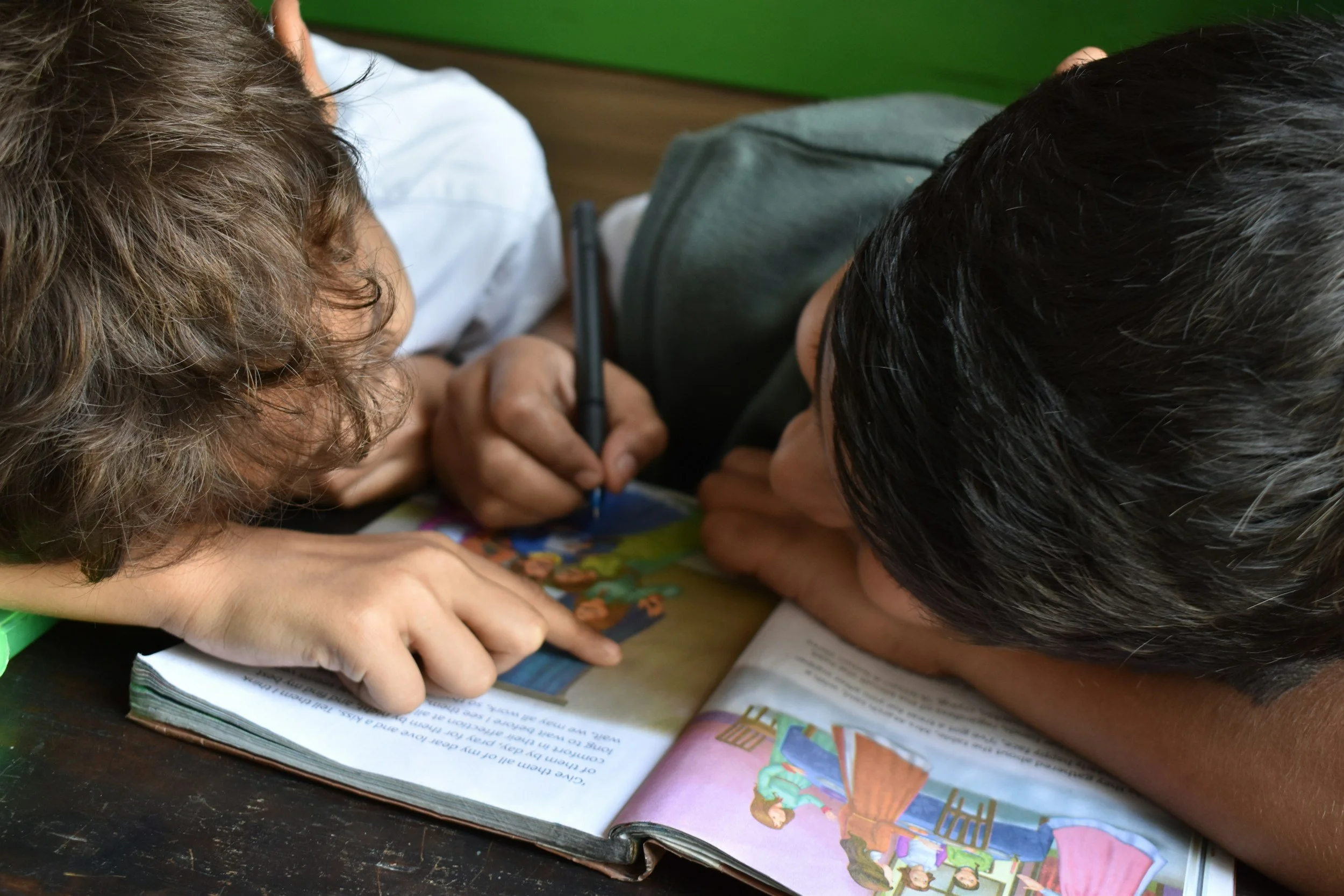
What Sensory Processing Issues Are
Sensory processing issues occur when the brain has trouble interpreting and managing information from the senses. This includes the familiar senses like sound, touch, sight, taste, and smell, but also two additional senses that are just as important for daily functioning. The first is body awareness, which allows a child to understand where their body is in space. The second involves movement, balance, and coordination.
A child may experience sensory information in one of two general ways:
Oversensitive
Some children feel sensory input more intensely than others. Bright lights may seem blinding, light touches may feel uncomfortable, tags in clothing may be unbearable, and loud environments may be overwhelming.
Undersensitive
Other children may not register sensory input as easily. They may crave more movement, pressure, or touch to feel grounded. They might seek out jumping, crashing, climbing, or touching objects and people repeatedly.
Many children experience a mix of both, becoming oversensitive in some situations and undersensitive in others. Sensory processing issues are not a diagnosis on their own, but they can have a very real impact on learning, attention, behavior, and emotional regulation. They may appear alongside conditions such as ADHD, autism, anxiety, or developmental delays, or they may appear alone without any other diagnoses.
How Sensory Processing Challenges Affect Children in School
A typical school day is filled with sensory experiences. Children hear announcements, chatter, scraping chairs, and buzzing lights. They feel different textures, wear various fabrics, move through crowded spaces, and follow transitions from activity to activity. For a child with sensory processing difficulties, this environment can be confusing and sometimes distressing.
Here is how sensory challenges often show up in school settings:
Difficulty Sitting Still
An undersensitive child may not feel grounded unless they move. They may wiggle, bounce, lean, or shift constantly, not out of defiance but because movement helps their body feel organized.
Struggles with Attention
For oversensitive children, distracting sounds or sights compete for their attention constantly. A humming light, a ticking clock, or classmates whispering may pull their focus away from learning.
Physical Clumsiness
Children who struggle with body awareness may bump into peers, knock over supplies, or misjudge distances. They are not being careless; their internal sense of space is simply less developed.
Challenges with Fine Motor Skills
Holding a pencil, cutting paper, or forming letters may be difficult for children whose sensory systems have trouble coordinating small movements.
Overwhelming Group Environments
Assemblies, cafeterias, and playgrounds can feel chaotic. Bright lights, loud voices, and unpredictable movements can trigger sensory overload.
Difficulty With Transitions
Shifting from one activity to another requires the brain to quickly adjust. Sensory processing differences can make this shift feel abrupt, confusing, or emotionally overwhelming.
Emotional Reactions
Meltdowns, bolt-and-run behavior, or emotional withdrawal may occur when a child is overwhelmed or seeking escape from distressing sensory input.
These challenges can easily be mistaken for behavioral problems or ADHD. While some children have both ADHD and sensory processing difficulties, it is important not to jump to conclusions. Careful observation and thoughtful collaboration between caregivers and professionals can help identify what is truly happening.
How Families and Teachers Can Support Children
There is no medication for sensory processing issues, but there are many effective supports. Most children benefit from a combination of occupational therapy, simple environmental adjustments, and an understanding adult who can advocate for their needs.
Play Therapy for Sensory and Emotional Support
Play therapy can work to support your child in meaningful ways:
Build coping skills for sensory sensitivities, transitions, and frustration
Practice emotional regulation in a safe, supportive environment
Increase confidence in social and school settings
Improve body awareness and self-monitoring through guided play
Practical Classroom Strategies
Parents and teachers can work together to implement small but powerful changes:
Adjust seating so the child sits where distractions are minimal
Ensure the child’s feet can touch the floor while seated
Use a pillow or inflatable cushion to allow subtle movement
Provide quiet headsets when the environment becomes too loud
Reduce visual clutter and minimize flickering or buzzing lights
Offer sensory breaks such as walking, stretching, or jumping activities
Allow fidget tools or chewable items for focus and regulation
Teach personal space and body awareness with OT support
Provide options for quieter lunch or small group time
Offer advance warnings before transitions and use visual schedules
Allow the child to skip loud assemblies or sit near an exit with support
These accommodations help children feel comfortable and capable, and they reduce misunderstandings that can lead to frustration or discipline problems.
Support at Home
Families can also make meaningful changes at home:
Keep predictable routines
Offer movement activities, such as climbing, jumping, or swinging
Use calming spaces with sensory tools like weighted blankets or soft lighting
Allow comfortable clothing without tags or irritating textures
Provide clear instructions and break down tasks into small steps
A child who feels supported at home is more likely to handle challenges at school.
The Importance of Understanding
Sensory processing issues are often invisible to others. A child who melts down during an assembly is not being dramatic. A child who crashes into peers is not being intentionally rough. A child who refuses to wear certain clothing is not being difficult. Their nervous system is seeking safety or input in the only ways it knows how. Understanding sensory needs does not just help with behavior. It strengthens the child’s confidence, improves social interactions, and creates a foundation for emotional resilience.
Takeaway
Sensory processing issues can affect a child’s focus, comfort, confidence, and ability to succeed in school. But with awareness, individualized support, and thoughtful collaboration between caregivers and educators, children can thrive emotionally, socially, and academically.
Our licensed psychologists use play therapy to help children express themselves, practice new skills, and learn to manage emotions, all through activities that feel like play. For children with sensory sensitivities, play therapy can support regulation, body awareness, and coping strategies, helping them feel more confident and comfortable at school, home, and in social situations.
With compassion, evidence-based guidance, and thoughtful collaboration, Tampa Pediatric Psychology helps children feel understood, confident, and capable in every environment, from the classroom to the playground and beyond.