
Helping Your Daughter Navigate Friendships with ADHD
When we think about ADHD, schoolwork and focus are usually the first challenges that come to mind. But for many children, especially girls, ADHD can also make friendships more complicated. Trouble paying attention, acting impulsively, or missing social cues can make it harder for kids to connect and support positive relationships with their peers.
Girls with ADHD might find themselves left out of group activities or unsure how to join in conversations. Sometimes, their energy and excitement can feel overwhelming to other kids, or they may unintentionally interrupt or take over a game. None of this comes from a bad place, it is simply that ADHD can make reading social situations a bit trickier.
Unlike boys, who often show more outward hyperactivity, girls with ADHD may struggle internally. They might overthink social moments long after they happen, wondering if they said something wrong or why a friend has not texted back. Because their challenges can appear subtle, adults sometimes miss them. A girl who looks chatty or bubbly on the surface might be feeling anxious, left out, or unsure of how to connect. Over time, these experiences can take a toll on self-esteem, leaving her feeling different or too much for others.
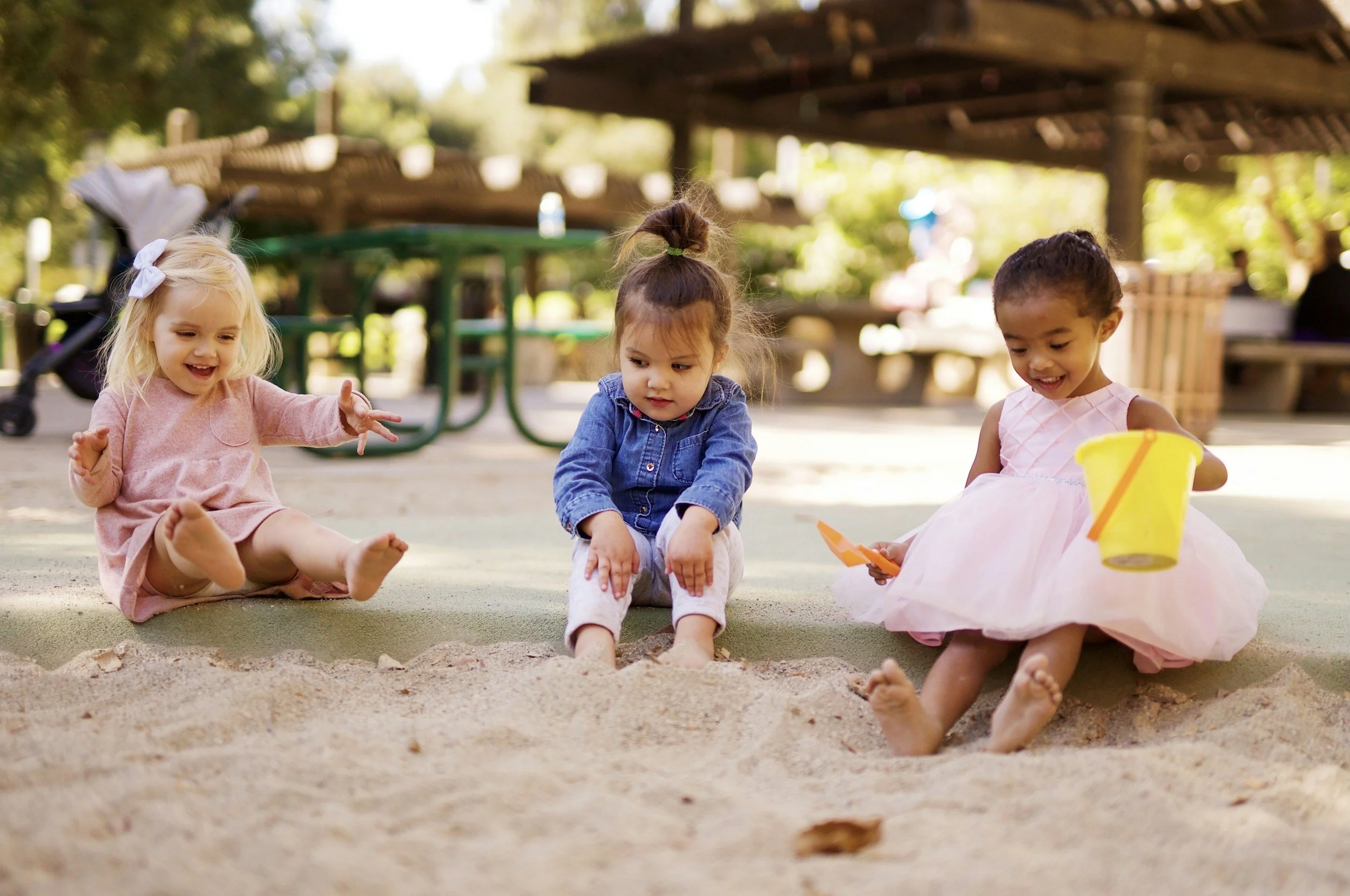
Understanding Why Social Situations Are Harder
Social interaction is full of unwritten rules, like waiting for a pause before speaking, noticing facial expressions, or noticing when a joke has gone too far. For kids with ADHD, these moments can move too quickly to process. Their brains might jump ahead, causing them to blurt out an answer or switch topics mid-conversation. What looks like rudeness is often impulsivity, a symptom, not a choice.
Girls with ADHD may also struggle with emotional regulation. A disagreement with a friend that most kids would brush off might feel devastating to them. They can be deeply sensitive to rejection or criticism, which makes the difficulties of childhood friendships especially intense. One day they might feel like everything is going perfectly, and the next they may be convinced their best friend does not like them anymore.
In addition, girls with ADHD sometimes experience what is called rejection-sensitive dysphoria, or RSD. This is not an official diagnosis but rather a term describing the intense emotional pain that comes from perceived rejection or failure. Even small misunderstandings can lead to big emotional reactions. Understanding that these feelings are part of how their brain processes emotions, not a reflection of their worth, can be comforting for both you and your daughter.
How Parents Can Help
One of the most effective ways to support your child’s social growth is by creating opportunities for positive, structured interactions. Think of these as guided playdates, a chance for your child to practice social skills in a supportive setting.
Before the playdate, talk about what being a good friend looks like. For example, remind your daughter to let her guest choose a game, take turns, and check in to see if everyone is having fun. Encourage her to notice how her friend is feeling. Does she look bored, happy, or frustrated? Helping your child tune into these small signals can make a notable difference.
During the playdate, stay nearby but avoid being overbearing. Offer gentle prompts if needed, such as “How about letting your friend pick the next game?” and highlight positive behaviors with quiet praise. Afterward, take a few minutes to talk about what went well and what she can try next time.
If your daughter struggles with group settings, start with one-on-one interactions. Smaller social situations can help her build confidence and learn how to manage her attention and emotions without feeling overwhelmed.
Shorter playdates usually work best when your child is still learning these skills. A 30- to 45-minute hangout might seem brief, but it can be just the right amount of time to keep things fun and successful. As your child becomes more confident, you can gradually increase the length of social time.
Helping Your Daughter Develop Social Awareness
Social awareness is like a muscle; it gets stronger with practice. You can help your daughter strengthen this skill in small, natural ways. For instance, when watching a movie or reading a story together, pause occasionally and ask, “How do you think she feels right now?” or “What would you do in that situation?” This encourages her to think about other people’s emotions and perspectives.
Role-playing can also be powerful. Practice different friendship scenarios such as what to say when a friend is upset, how to apologize, or how to ask to join a group activity. Rehearsing these moments helps your child feel more prepared when they happen in real life.
You might also want to focus on helping your daughter build empathy and patience. Many children with ADHD move quickly from one idea or activity to the next, which can make them seem disinterested in others. Encourage her to slow down and ask questions about her friend’s interests like, “What game do you want to play?” or “Tell me about your favorite show.” These small gestures can help her appear more attentive and caring, even when her attention naturally drifts.
Working with Teachers and Other Adults
Teachers can be incredible allies in helping children with ADHD navigate social situations. Many are happy to support social development by pairing students thoughtfully, assigning group projects strategically, or praising good social behavior in the classroom.
Keep an open line of communication with your child’s teacher. Let them know you are working on social goals at home and ask if they have noticed patterns, such as times of day or settings when your daughter seems to struggle more. Sometimes, teachers can arrange for her to sit near peers who model positive social behavior or invite her to help with a class task that encourages teamwork.
Coaches, after-school staff, and club leaders can also play a role. If your daughter joins a team or activity, talk privately with the adult in charge about her strengths and challenges. They can provide extra structure, gentle reminders, or quick check-ins that make a significant difference in how she experiences those social settings.
Encouraging Confidence and Resilience
Confidence is key to building lasting friendships. When children feel good about themselves, they are more willing to try again after a social setback. Celebrate your daughter’s strengths, her creativity, humor, curiosity, or kindness. ADHD often comes with remarkable imagination and enthusiasm, traits that can make her a wonderful friend once she learns how to channel them.
When conflicts arise, as they inevitably do, model calm problem-solving. Instead of focusing on what went wrong, ask reflective questions such as:
“What do you think your friend was feeling?”
“What could you do differently next time?”
“How can we make it right?”
These questions teach self-awareness and responsibility without shame. Over time, your daughter will begin to internalize these skills and use them on her own.
Encourage resilience by showing that friendships can recover from mistakes. Everyone says the wrong thing sometimes or feels left out. What matters most is learning how to repair and reconnect.
Takeaway
Helping a child with ADHD build friendships takes patience, structure, and lots of encouragement. There will be moments of frustration for both of you, but also moments of real growth and joy. With time and gentle guidance, your daughter can learn the social tools she needs to form meaningful, lasting connections.
Remember, the goal is not perfection. It is progress, one positive interaction at a time. Every smile shared, every kind gesture, every small act of self-awareness builds toward stronger confidence and emotional maturity.
If you’re looking for practical strategies and guidance to help your child thrive, our Child & Adolescent ADHD Program is designed to support both kids and parents with tools that make everyday life a little easier, and a lot more successful.
At Tampa Pediatric Psychology, we understand how deeply social challenges can affect a child’s confidence and happiness. Our team focuses on supporting both kids and parents as they navigate these moments, offering strategies that build real-world skills and emotional growth in a nurturing, compassionate way. With the right tools and understanding, your daughter can not only make friends but also thrive in them, feeling valued, accepted, and proud of who she is.