
School Mornings Without the Fuss
For many families, weekday mornings can feel like a race against the clock. You’re trying to get out the door on time while juggling everything at once, getting your child dressed, making sure something is eaten, packing backpacks, and keeping an eye on the time. Meanwhile, your child might be moving at a completely different pace, getting distracted, or needing multiple reminders just to move to the next step.
It’s a lot.
And if your mornings feel chaotic or stressful, you’re not alone. This is one of the most common challenges families face. The encouraging part is that small, realistic changes can make a meaningful difference. With the right structure and support, mornings can become more predictable, more cooperative, and far less overwhelming. This guide breaks down why mornings feel so hard, and what actually helps.
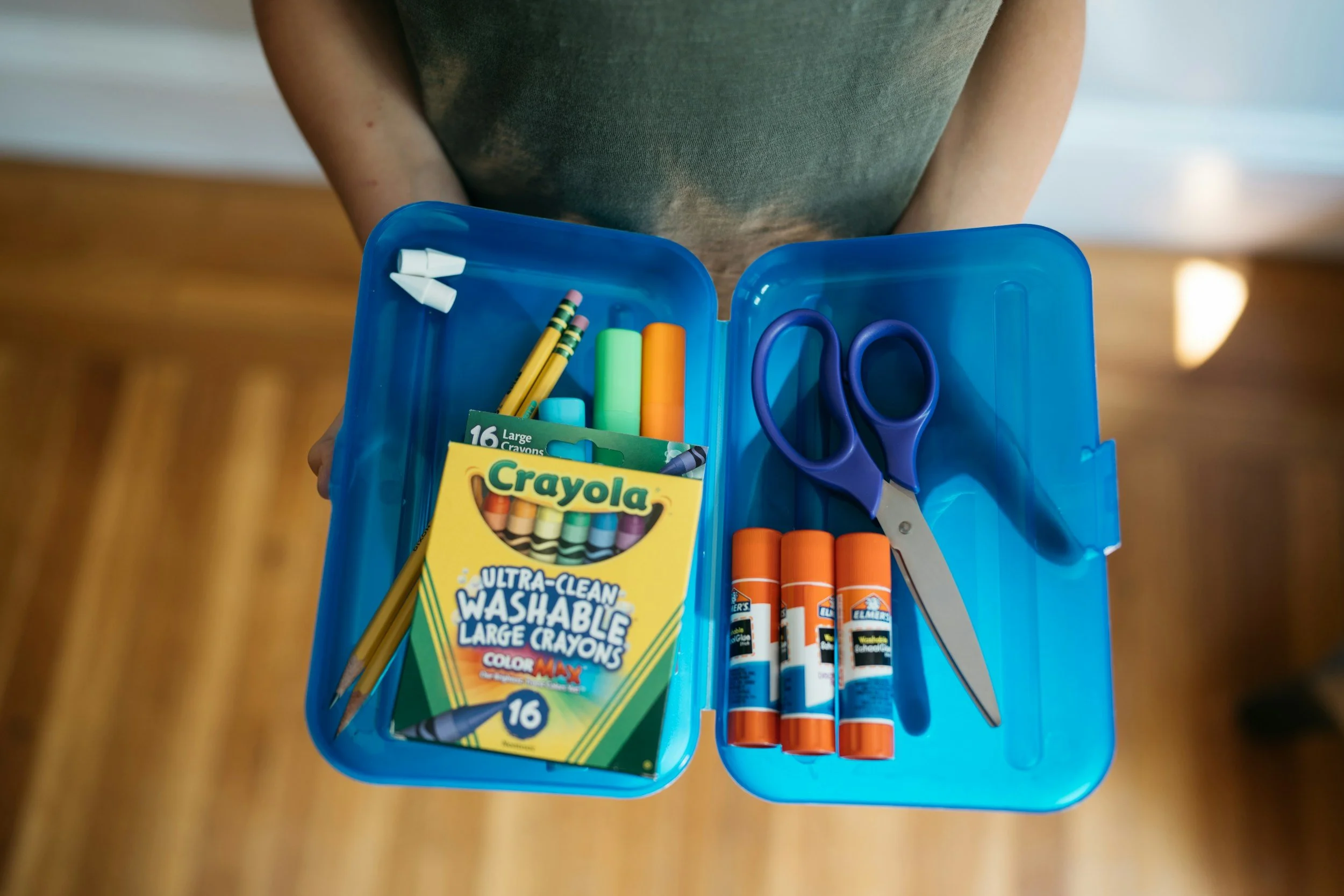
Morning routines ask a lot in a short amount of time. Multiple tasks need to happen back-to-back, often with very little flexibility. While parents are thinking ahead, about work schedules, school start times, or traffic, children are usually focused on what’s happening right now. That difference in focus can make mornings feel like a constant push to stay on track.
On top of that, mornings are full of transitions. In a short span of time, children are expected to move through several steps. Each requires stopping one activity and starting another, which isn’t always easy, especially when it’s happening quickly. Even children who are typically cooperative can struggle with this pace, particularly if they’re interrupted while doing something they enjoy.
Fatigue can make everything harder. If a child didn’t sleep well, getting started in the morning can feel like a big task. The same is true for parents who may also be running on limited rest. When everyone is tired, patience tends to be lower and frustration can build more quickly.
Because mornings set the tone for the day, these moments matter. Rushing, repeated reminders, and rising stress can lead to tears, conflict, or forgotten items before the day has even begun. Understanding why this happens is an important first step toward creating mornings that feel more manageable, and a little calmer for everyone.
When Morning Routines Are Even More Challenging
While most families experience some level of morning stress, certain challenges can make routines feel especially difficult for some children. For example, children who struggle with attention may have trouble staying focused long enough to complete each step. They might begin brushing their teeth but then get distracted by something else in the room, or forget what they were supposed to do next without reminders.
Children who experience anxiety may also have a harder time in the mornings. If something about the school day feels stressful or uncertain, they may move more slowly or resist getting ready altogether. In some cases, delaying the routine can be a way of avoiding or postponing those worries. Other children may have difficulty getting out of bed due to low motivation or mood-related challenges, making the entire routine feel like an uphill climb from the start.
Some children thrive on predictability and structure. For them, even small changes in the routine, such as a different order of tasks or an unexpected schedule shift, can lead to frustration or resistance. You might notice reactions like:
Getting “stuck” on one step
Refusing to move to the next activity
Becoming upset when something feels different than expected
These patterns can be confusing or frustrating for parents, but they are not signs that a child is being intentionally difficult. More often, they reflect a need for additional support, structure, and practice in managing routines.
Start the Routine the Night Before
One of the most effective ways to reduce morning stress is to shift some of the workload to the night before. Even small steps taken in the evening can make mornings feel noticeably calmer and more predictable. When fewer decisions and tasks are left for the morning, there is less pressure on everyone.
Helpful evening preparations might include:
Laying out clothes
Packing backpacks
Preparing lunches
Talking through the next day’s plan
Having a brief, calm conversation about what the morning will look like can also make a difference. When children know what to expect ahead of time, they are often more cooperative and less resistant. This is also a great opportunity to involve them in the process. Even young children can help choose their clothes or gather their belongings, which builds a sense of responsibility and ownership over time.
Focus on the Most Important Tasks First
It’s easy to feel like everything needs to be completed before leaving the house, but trying to do too much can quickly increase stress. When expectations are too high, both parents and children are more likely to feel overwhelmed.
Instead, it can help to focus on the most essential tasks first. For most families, this includes:
Getting dressed
Eating breakfast
Completing basic hygiene (like brushing teeth)
Once these core habits are consistent, additional tasks, like making beds or tidying rooms, can be added gradually. This approach reduces pressure while still allowing families to build routines over time. It also helps children experience success, which can increase their motivation to participate.
Use Visual Reminders and Clear Routines
Many children benefit from having a clear, consistent routine they can see and follow. Visual reminders, such as a simple checklist, can help guide them through each step without needing constant verbal prompts from parents.
For example, a morning checklist might include:
Get dressed
Eat breakfast
Brush teeth
Pack backpack
Put on shoes
Younger children may benefit from pictures instead of written steps, especially if they are still learning to read. These visual supports can reduce the need for repeated reminders and shift some of the responsibility to the routine itself. Over time, children often begin to move through tasks more independently, which can increase both confidence and cooperation.
Encourage Progress Through Positive Reinforcement
Children are more likely to repeat behaviors that are noticed and encouraged. Recognizing small successes during the morning routine can go a long way in helping it improve over time. This doesn’t require anything elaborate, simple, specific praise is often enough.
For example, you might say:
“You got dressed right away this morning, that was really helpful.”
“I noticed you packed your backpack without being asked.”
Some families also find it helpful to use small incentives or reward systems, such as earning extra playtime or choosing a family activity later in the day. The goal is not to create pressure, but to help children connect their efforts with positive outcomes and build momentum.
Keep Communication Calm and Clear
Even with preparation and structure, not every morning will go smoothly. When things start to feel tense, the way parents respond can make a significant difference. Children are often highly responsive to the emotional tone around them, and stress can escalate quickly if voices are raised or frustration builds.
Keeping communication calm and focused on the next step can help everyone move forward. It can also be helpful to acknowledge what is going well, even if the routine isn’t perfect. For example, pointing out that a child has already completed part of the routine can help build motivation and reduce conflict.
It’s also important to remember that building new habits takes time. Progress may be gradual, and some mornings will be easier than others. A steady, patient approach tends to be more effective than trying to achieve perfection right away.
Building Habits That Last
Consistent routines help children develop important life skills, including time management, organization, and responsibility. In the beginning, children may need frequent reminders and support, but with repetition, these routines often become more automatic.
Over time, what once felt like a stressful and rushed morning can become a predictable sequence of steps that everyone understands. Children gain confidence as they learn to manage their responsibilities, and parents often feel less pressure trying to keep everything on track. These small, consistent efforts can lead to meaningful changes in how mornings feel for the entire family.
The Takeaway
If school mornings feel overwhelming in your home, you’re not doing anything wrong, and you’re certainly not alone. Mornings ask a lot of both parents and children. When you add in real-life factors like distraction, big feelings, or low energy, it makes sense that this time of day can feel especially challenging.
The encouraging part is that mornings don’t have to stay this way. Small, intentional changes, like preparing the night before, focusing on the most important tasks, using simple visual supports, and keeping communication calm, can gradually create more structure and predictability. Over time, these shifts can lead to smoother routines and less stress for everyone involved.
At the same time, some families find that even with these strategies, mornings still feel like a daily struggle. This can be a sign that there may be bigger underlying factors at play, such as challenges with attention, anxiety, emotional regulation, or motivation. When that’s the case, having the right support can make a meaningful difference.
At Tampa Pediatric Psychology, our clinicians work closely with families to understand what’s getting in the way of smoother routines and to create practical, individualized strategies that fit your child and your family. Whether it’s building independence with daily routines, supporting emotional regulation, or addressing underlying concerns, our goal is to help mornings (and the rest of the day) feel more manageable.
With the right tools, support, and a bit of patience, mornings can become a more peaceful and positive start to the day, for both you and your child.