
Is My Child Ready for Kindergarten?
You’ve practiced opening lunch containers, talked about classroom rules, and maybe even picked out the backpack already. But somewhere underneath the excitement of starting kindergarten, many parents quietly wonder the same thing: Is my child actually ready for this?
Sometimes the uncertainty has nothing to do with academics. A child may already know letters, numbers, colors, and shapes but still struggle with frustration, transitions, separation, or group settings. Other children seem bright and curious at home but become overwhelmed in busy social environments. And for parents of children with anxiety, ADHD traits, autism, giftedness, or developmental differences, the decision can feel especially complicated.
Kindergarten readiness is often talked about as an academic milestone, but for many children, the bigger challenge is learning how to navigate the emotional, social, and behavioral demands of a classroom.
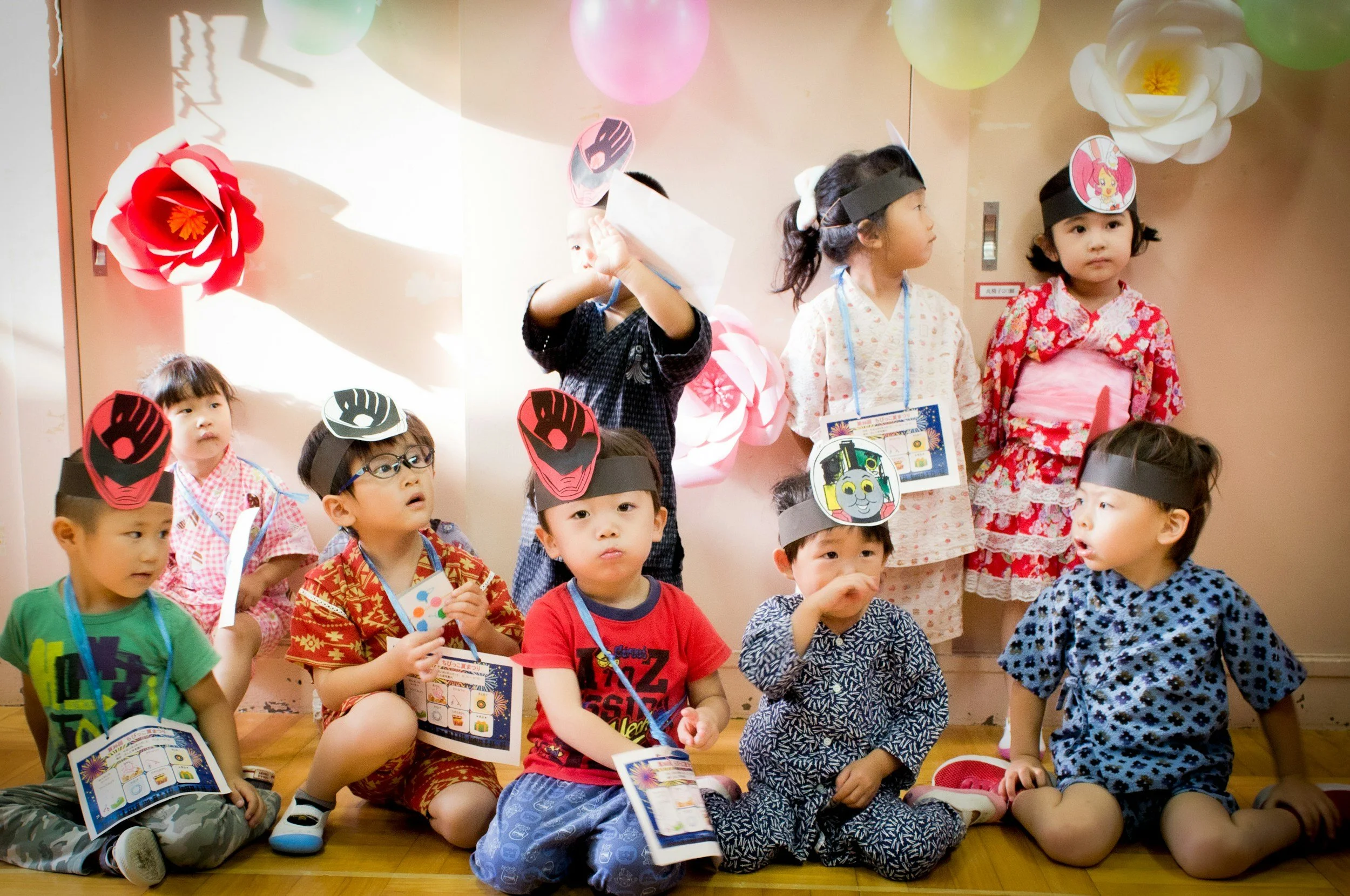
What Parents Often Notice Before School Starts
For many parents, the question of kindergarten readiness starts long before the first day of school.
Sometimes it begins during preschool pickup, when you notice your child still clinging tightly at separation while other children walk in confidently. Sometimes it shows up during playdates that end in tears after a small disagreement. Other times, it’s harder to explain, your child is bright, curious, and talkative at home, but something still makes you wonder whether they’re truly ready for the structure and demands of a classroom.
And if your child has a summer birthday, developmental differences, anxiety, ADHD traits, autism, or learning concerns, the decision can feel even heavier.
Parents often come into this stage asking:
“Will waiting help?”
“What if I hold them back and regret it later?”
“Am I overthinking this?”
“What if they struggle?”
One of the biggest misconceptions about kindergarten is that academic skills are the most important predictor of success.
Kindergarten Readiness Is Mostly About Regulation and Independence
Teachers can teach children how to write letters, hold scissors, and learn early math concepts. What tends to be harder to teach in a busy classroom setting are the foundational self-regulation skills that help children participate in learning throughout the day.
Kindergarten now asks a lot of young children socially, emotionally, and behaviorally.
Children are often expected to:
transition between activities throughout the day
tolerate frustration
sit and listen during group instruction
follow multi-step directions
navigate peer conflicts
separate from caregivers independently
communicate their needs appropriately
recover from disappointment or correction
persist through tasks that feel difficult
A child can be academically advanced and still struggle significantly with the emotional demands of a classroom.
This is something parents of gifted or highly verbal children are often surprised by. A child may be reading early or memorizing facts well beyond their age level, but still have difficulty with flexibility, emotional regulation, transitions, or peer interaction.
That doesn’t mean anything is “wrong.” It simply means development is uneven, which is incredibly common in young children.
What Readiness Often Looks Like in Real Life
When children are ready for kindergarten, parents often notice certain patterns emerging naturally.
They may:
show curiosity and interest in learning
tolerate short periods of structured activity
begin solving small problems more independently
recover more easily from frustration
separate from caregivers with manageable distress
participate in group activities
communicate wants and needs to adults
show growing interest in peers and cooperative play
Importantly, readiness does not mean a child never melts down, gets shy, avoids frustration, or needs reassurance.
All young children still need support and co-regulation.
The question is usually less about whether challenges happen and more about how frequently they occur, how intense they are, and whether the child can recover and re-engage with support.
“They’re So Smart… But They Still Seem Young”
This is one of the most common things parents say when they’re unsure about kindergarten.
A child may know recite the alphabet with confidence but still struggle when routines change unexpectedly. They may speak like an older child but become overwhelmed quickly in noisy or stimulating environments. They may do well one-on-one with adults but avoid peers or fall apart in larger groups.
Sometimes parents sense that their child is capable academically but not fully prepared emotionally for the pace and expectations of a classroom. That instinct is worth paying attention to.
At the same time, it’s important not to assume that every hesitation means a child should automatically delay kindergarten. Some children benefit from an extra year before starting school, while others benefit more from entering school with appropriate supports in place.
The answer is rarely one-size-fits-all.
The “Youngest in the Class” Conversation
Many families especially struggle with the decision when a child has a late spring or summer birthday.
Research has shown that younger children in a grade are more likely to be identified with attention or behavioral concerns compared to older peers in the same classroom. In some cases, developmental immaturity may look similar to ADHD traits simply because there can be a wide developmental range among 5-year-olds.
This does not mean ADHD is being “created” by school placement. Children with ADHD still benefit from evidence-based support regardless of when they start kindergarten.
But it does highlight something important: developmental expectations matter.
Some children simply need more time to strengthen attention, flexibility, frustration tolerance, independence, and emotional regulation before entering a highly structured classroom environment.
When Anxiety, ADHD, Autism, or Learning Concerns Are Present
Parents sometimes wonder whether delaying kindergarten will “solve” developmental or emotional concerns.
In most cases, age alone does not resolve underlying anxiety, ADHD, autism, or learning disorders. A child with significant anxiety, for example, usually benefits more from support, skill-building, and intervention than from simply waiting another year.
Similarly, if a child is having persistent difficulty learning early academic concepts despite exposure and practice, that can sometimes signal the need for additional evaluation or support rather than simply more time.
Early identification can be incredibly helpful because it allows families and schools to better understand how a child learns and what supports may help them succeed.
For some children, appropriate accommodations, therapy, school supports, or developmental interventions make a much bigger difference than the timing of kindergarten entry itself.
Questions Parents Can Ask Themselves
If you’re unsure about kindergarten readiness, it can help to step back from the pressure of making the “perfect” decision and instead focus on your child’s current functioning across environments.
You might ask yourself:
How does my child handle frustration or unexpected changes?
Can they participate in group activities with support?
How do they do with separation from caregivers?
Are they beginning to manage basic independence tasks?
Do they recover after becoming upset?
Are concerns mostly academic, emotional, social, behavioral, or sensory?
What feedback are preschool teachers or caregivers giving?
Does my child seem energized by the idea of school or overwhelmed by it?
Sometimes an outside perspective from a preschool teacher, pediatrician, psychologist, or school readiness screening can also help parents feel more confident in their decision.
There Is No “Perfect” Kindergarten Timeline
One of the hardest parts of this decision is that there is rarely a completely clear answer.
Some children thrive after an extra year of developmental growth. Others rise beautifully to the expectations and structure of kindergarten once they begin. Many children have areas of strength alongside areas that still need support.
What matters most is not whether a child enters kindergarten “perfectly prepared,” but whether the adults around them are paying attention, responding thoughtfully to their needs, and providing support where necessary.
Takeaway
If you’re feeling uncertain about your child’s readiness for kindergarten, you are not alone. Many parents find themselves holding two truths at once: recognizing their child’s strengths while also wondering whether certain emotional, behavioral, social, or developmental skills still need support. In many cases, there is not one universally “right” decision, the goal is simply to better understand your child’s unique needs and help them enter school feeling supported, confident, and ready to grow.
At Tampa Pediatric Psychology, we work with children and families navigating concerns related to learning differences, school readiness, and behavioral development. Whether you might be looking for child therapy, parent support, or a comprehensive evaluation to better understand how your child learns and functions, our team is here to help parents make informed decisions with clarity and support.