
Summer Skills in Disguise: 10 Everyday Activities That Build Executive Functioning Skills
Summer can sometimes leave parents wondering, "Have we done enough?"
Maybe your child hasn't completed a summer reading list. Maybe they've spent more time playing video games than practicing math. Maybe the days have felt a little chaotic, and you're starting to wonder whether your child is actually building any skills at all.
The good news?
Learning doesn't stop just because school does.
In fact, many of the things children naturally do during the summer give them opportunities to practice important developmental and executive functioning skills. They may not look like traditional "learning," but planning a LEGO build, navigating a disagreement with a sibling, or figuring out what to do when they're bored can all help children develop skills they'll use in the classroom and beyond.
Executive functioning skills include things like planning, organization, flexible thinking, impulse control, emotional regulation, working memory, and problem-solving. These skills develop gradually throughout childhood and adolescence, and everyday experiences provide countless opportunities to practice them.
Here are 10 summer activities that may be building more skills than you realize.
1. Playing at the Pool or Beach
A day at the pool or beach may look like pure fun, but it can involve a surprising amount of skill-building.
Children are practicing:
Safety awareness
Following rules
Impulse control
Flexibility
Social skills
Self-monitoring
Managing sensory experiences
Your child may have to wait their turn, follow pool rules, adjust to changing plans, or manage disappointment when it's time to leave.
When you give your child opportunities to participate in these experiences, you're helping them practice navigating real-world situations with increasing independence.
2. Building With LEGO, Blocks, or Other Construction Toys
Whether your child is following a detailed LEGO set or creating something entirely from their imagination, building activities offer excellent opportunities to practice executive functioning.
Children may be developing:
Planning
Organization
Working memory
Problem-solving
Persistence
Flexible thinking
Frustration tolerance
When a tower falls down or a piece doesn't fit, your child has a chance to practice something incredibly important: what to do when a plan doesn't work.
Instead of immediately stepping in to fix the problem, try asking:
"What do you think we could try next?"
"Is there another way to build it?"
"What happened when you tried that?"
These questions encourage your child to practice problem-solving independently.
3. Playing Outside
Unstructured outdoor play gives children something they don't always get enough of during the school year: the opportunity to decide what to do with their time.
Playing outside can support:
Creativity
Self-direction
Decision-making
Physical regulation
Motor development
Social problem-solving
Independence
When children create their own games, negotiate rules, or figure out how to entertain themselves, they're practicing skills that aren't always easy to teach directly.
4. Traveling and Going on Vacation
Travel can be exciting, but it can also be unpredictable. Delayed flights. Long car rides. Different beds. Unfamiliar places. Changes in plans.These experiences can be challenging for children, but they can also provide valuable practice with flexibility and coping with the unexpected.
During travel, children may practice:
Adaptability
Flexible thinking
Emotional regulation
Coping with uncertainty
Problem-solving
Patience
You can support this skill-building by involving your child in the process. Ask them to help look at the itinerary, pack their own bag, choose a snack for the car, or identify what they might do if plans change.
5. Playing With Siblings or Friends
Summer often means more time with siblings and friends, which can also mean more opportunities for conflict. While sibling disagreements can test everyone's patience, they're also opportunities to practice important interpersonal skills.
Children are learning how to:
Negotiate
Communicate
Take turns
Compromise
Repair relationships
Manage frustration
Consider another person's perspective
Of course, not every disagreement needs adult intervention. When it's safe to do so, give children some space to work through small conflicts on their own.
Instead of immediately deciding who is right, you might ask:
"What's a solution that works for both of you?"
These moments can be messy, but they're also practice for navigating relationships throughout life.
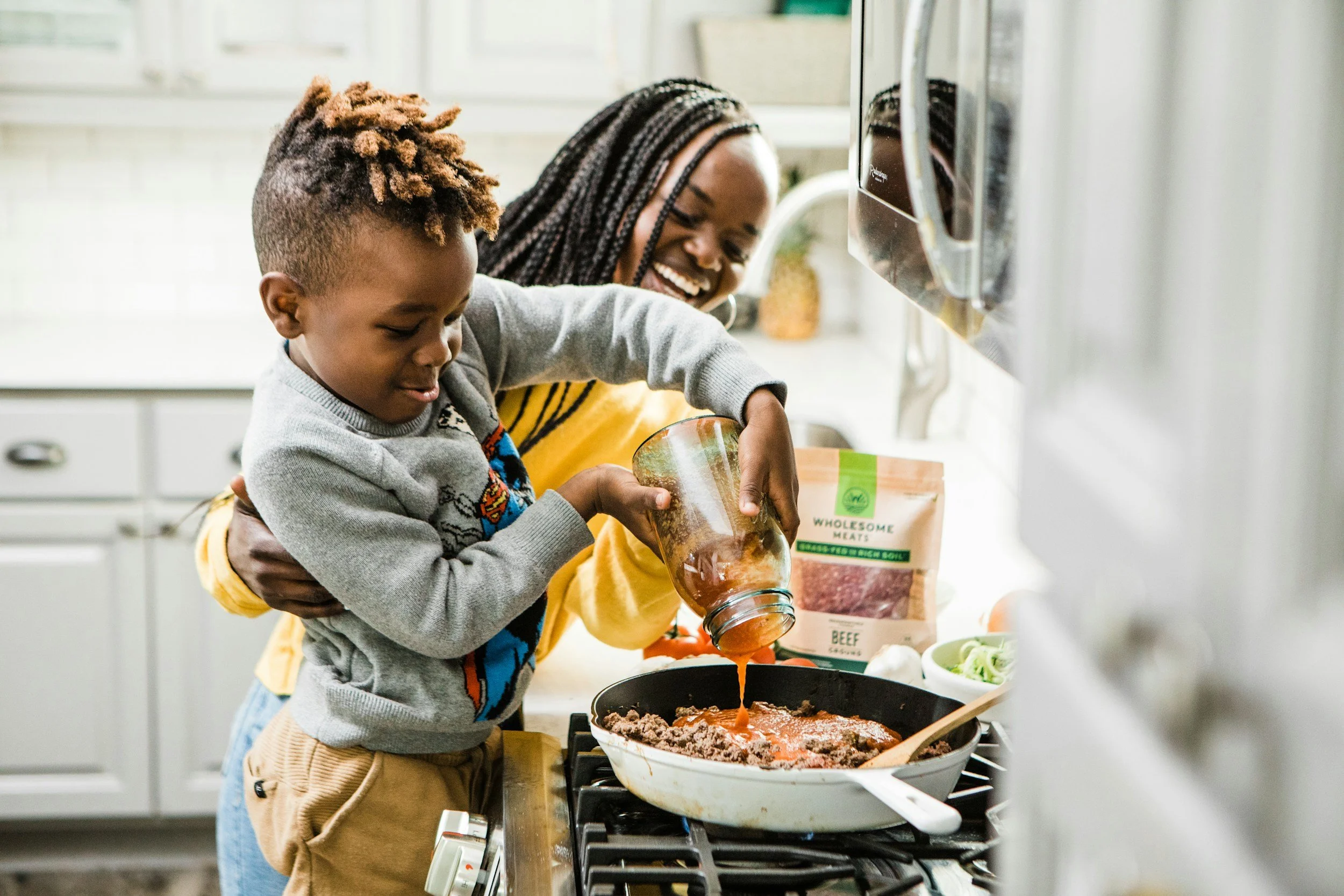
6. Helping With Meals
Cooking and preparing food can be a fantastic way to practice executive functioning skills.
Children can work on:
Following multi-step directions
Sequencing
Planning
Time management
Organization
Attention to detail
Independence
Even young children can participate in age-appropriate ways, whether that's washing produce, measuring ingredients, assembling a snack, or helping plan dinner.
As children get older, you can gradually increase their responsibility…
"Can you look at the recipe and tell me what we need?"
"What should we do first?"
"What do you think will take the longest?"
…giving your child a chance to practice planning and following through on a multi-step task.
7. Attending Summer Camp or Activities
Summer camps, sports, and other activities provide opportunities for children to practice independence outside of their usual routines.
They may need to:
Keep track of their belongings
Follow a schedule
Listen to instructions
Navigate new social situations
Ask for help
Manage transitions
Adapt to unfamiliar environments
For some children, especially those with ADHD or anxiety, these experiences may feel challenging at first.
That's okay.
Growth often happens when children have the opportunity to try something new with appropriate support and discover that they can handle more than they expected.
8. Playing Video Games
Yes, even video games can involve executive functioning skills.
Depending on the game, children may practice:
Problem-solving
Planning
Working memory
Decision-making
Flexible thinking
Persistence
Frustration tolerance
Of course, this doesn't mean unlimited screen time is automatically beneficial. Balance and boundaries still matter. But rather than viewing every gaming experience as "wasted time," consider asking your child about what they're doing.
"What are you trying to accomplish?"
"What strategy are you using?"
"What did you do when that didn't work?"
These conversations can help children recognize the problem-solving and persistence skills they're already using.
9. Running a Lemonade Stand or Small Business
A summer lemonade stand, craft sale, or other small project can be a fun way for children to practice real-world skills.
Depending on their age, they might work on:
Planning
Money management
Goal setting
Organization
Communication
Creativity
Problem-solving
You might help your child think through questions like:
"What do we need to buy?"
"How much will it cost?"
"How much should we charge?"
"How will we let people know we're here?"
The goal doesn't necessarily have to be making money. The experience itself provides opportunities to plan, make decisions, and learn from what happens.
10. Being Bored
Perhaps one of the most underrated summer activities is... doing nothing.
When children are bored, they have an opportunity to practice something that can be surprisingly difficult: self-direction.
Boredom can encourage children to:
Generate their own ideas
Make decisions
Initiate activities
Practice creativity
Tolerate discomfort
Explore their interests
Develop independence
Of course, boredom doesn't always look peaceful. It may sound like:
"There's nothing to do." "I'm sooooo bored."
But your child doesn't necessarily need you to solve the problem. Try responding with confidence:
"I hear you. Being bored isn't always fun."
"I'm confident you'll find something."
Learning how to tolerate boredom and generate their own solutions is an important skill, and one that will serve your child well throughout childhood and adulthood.
The Summer Skills Your Child Is Building
Sometimes, the most valuable learning experiences don't look like learning at all.
Your child may not realize they're practicing executive functioning skills while building a LEGO tower, helping make dinner, or figuring out what to do on a rainy afternoon. But these everyday experiences can provide meaningful opportunities to develop planning, flexibility, problem-solving, independence, and emotional regulation.
Let Summer Be Summer
Children don't need to spend every day preparing for the next school year. They need opportunities to play, explore, rest, connect with others, try new things, and experience the world around them.
So as summer comes to an end, don't focus only on what your child didn't accomplish. Think about what they did learn.
Maybe they figured out how to entertain themselves when they were bored. Maybe they learned to ask for help at camp. Maybe they practiced handling a disagreement with a sibling. Maybe they helped make dinner or packed their own bag for a trip.
These moments matter.
And as you begin preparing for the school year, you can build on the skills your child has already been practicing all summer.
Need Support With Executive Functioning Skills?
If your child struggles with organization, planning, time management, emotional regulation, or other executive functioning skills, support can help them build practical strategies for greater independence.
At Tampa Pediatric Psychology, we work with children, teens, and families to strengthen skills that support success at home, at school, and beyond.
Contact our team to learn more about how we can support your child this school year.